Elbow pain can result from overuse, tendon strain, or repetitive motion. It may interfere with lifting, gripping, or even simple daily activities. Non-invasive and drug-free care can provide lasting relief.
Contact us today for effective elbow pain treatment.
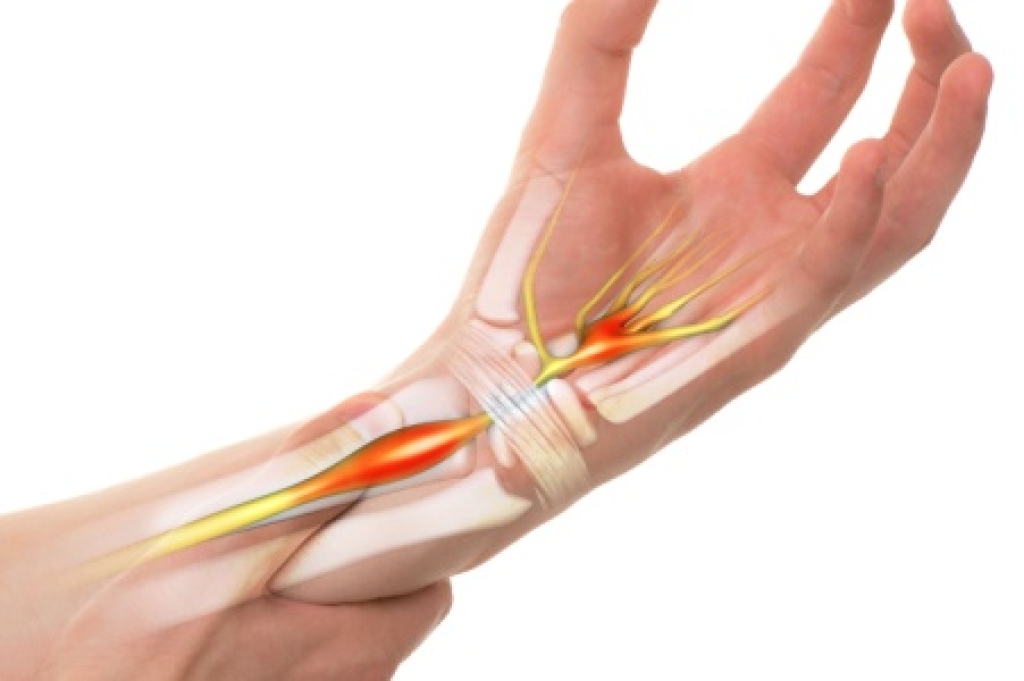
Carpal tunnel syndrome can make simple tasks like typing, writing, or holding small objects uncomfortable. The condition develops when the median nerve becomes compressed as it passes through a narrow space in the wrist called the carpal tunnel. The median nerve provides feeling to the thumb, index finger, middle finger, and part of the ring finger. Pressure on this nerve can lead to numbness, tingling, or weakness in the hand and wrist. Some patients notice symptoms that spread into the forearm. Others find that gripping objects becomes more difficult. Symptoms can begin gradually and become more noticeable while working, driving, or sleeping, making daily activities more challenging.
A chiropractor performs a thorough examination to determine how carpal tunnel syndrome is affecting the wrist, hand, and surrounding joints. The evaluation includes checking wrist movement, grip strength, and nerve function. The neck, shoulder, and elbow are also evaluated because problems in these areas can affect the nerves that travel into the hand. Chiropractic care includes gentle joint adjustments, soft-tissue therapy, and exercises that improve strength and flexibility. Treatment focuses on improving joint movement and reducing stress on the tissues surrounding the affected nerve. A chiropractor also evaluates posture and body mechanics because repeated strain can contribute to ongoing wrist problems.
Research shows that conservative care can help many people manage carpal tunnel syndrome while improving function and reducing discomfort. A detailed examination helps identify the factors contributing to nerve compression and guides a personalized treatment plan. Chiropractic care aims to improve movement throughout the upper body while supporting healthier nerve function. Better joint mobility in the wrist, elbow, shoulder, and neck can reduce stress placed on the median nerve and improve hand function. Regular evaluations help monitor progress and guide treatment based on changes in symptoms and physical function. If you have symptoms of carpal tunnel syndrome, it is suggested that you make an appointment with a chiropractor for diagnosis and treatment.
Carpal Tunnel Syndrome
Carpal tunnel syndrome, or CTS, is a condition caused by compression of the median nerve, which runs through the carpal tunnel in the wrist. This tunnel is a narrow passageway surrounded by bones and ligaments, and when it becomes compressed or inflamed, it can put pressure on the nerve. Symptoms of CTS include tingling, numbness, weakness, and pain in the hand and fingers, often making simple tasks difficult and uncomfortable.
Chiropractic care offers a non-invasive approach to managing CTS by addressing alignment and reducing nerve pressure. Chiropractors start by evaluating the wrist, elbow, and even the cervical spine or neck, as misalignments in these areas can contribute to nerve compression in the wrist. Through gentle adjustments, chiropractors can improve the alignment of the wrist and spine, helping to reduce the pressure on the median nerve.
In addition to adjustments, chiropractors may use soft tissue therapy, such as stretching and myofascial release, to reduce inflammation surrounding the wrist and enhance mobility.
Why Consider Chiropractic for CTS?
Chiropractic care can provide lasting relief by targeting the root causes of CTS, reducing pain, and promoting long-term hand and wrist health.
Can Chiropractic Care Address Repetitive Strain as a Cause of CTS?
Chiropractic care can help manage repetitive strain by improving joint alignment and recommending ergonomic adjustments.
If you have any questions, please feel free to contact our office located in Contact Us.
A pinched nerve occurs when surrounding tissues place too much pressure on a nerve, disrupting the signals that travel between the brain and the body. This pressure may develop because of a herniated disc, bone changes, or swelling in nearby tissues. Symptoms often depend on which nerve is affected. Some people experience sharp pain, while others notice numbness or tingling. Muscle weakness may also develop, making everyday tasks more difficult. A pinched nerve can affect the back, arms, or legs, and the discomfort may spread beyond the original area. Because these symptoms are similar to those of other conditions, identifying the source of nerve irritation is an important part of receiving appropriate care. Early evaluation may also help prevent symptoms from becoming more persistent.
Rather than focusing only on pain relief, chiropractic care aims to improve how the spine and joints function while reducing unnecessary stress on the nervous system. A chiropractor begins with a detailed evaluation to determine where nerve compression may be occurring and how it is affecting movement. Gentle chiropractic adjustments may help restore healthy joint motion and improve spinal alignment. Treatment plans are customized to each patient's needs and may also include therapies that improve flexibility, support better posture, and reduce muscle tension. As pressure on the affected nerve decreases, many patients experience improved mobility and greater comfort. This non-invasive approach is designed to address the underlying cause of symptoms while supporting healthy nerve function and long-term musculoskeletal health.
Ignoring a pinched nerve can allow symptoms to worsen, making work, recreation, and routine activities more challenging. Professional evaluation is important because persistent nerve compression may continue to affect strength, sensation, and mobility. Chiropractic care offers a personalized approach that focuses on improving movement, relieving nerve pressure, and supporting overall spinal health. If you have pain, numbness, or tingling from a pinched nerve, it is suggested that you consult a chiropractor for an evaluation and appropriate treatment options.
Pinched Nerve
A pinched nerve occurs when surrounding tissues, such as bones, muscles, or tendons, apply excessive pressure on a nerve. This condition can cause pain, numbness, tingling, or weakness, often in the neck, back, or limbs. Everyday activities, poor posture, or repetitive motions are common triggers. Left untreated, the condition may worsen, leading to chronic discomfort and reduced mobility.
Chiropractors use a hands-on approach to relieve the pressure that causes a pinched nerve. By performing gentle spinal adjustments, they create space for the nerve to function properly, alleviating discomfort. Chiropractic care may also include stretching exercises to improve flexibility and targeted muscle work to reduce surrounding tension. Patients often receive guidance on posture and activity modifications to prevent recurrence. This tailored approach focuses on restoring normal nerve function and improving overall quality of life.
1. Are pinched nerves only caused by spinal issues? No, they can also result from tight muscles, inflammation, or repetitive strain. Chiropractors address both spinal and muscular causes.
2. How does a chiropractor determine the location of a pinched nerve? Chiropractors use physical exams, mobility tests, and sometimes imaging studies like X-rays to pinpoint the source of nerve compression.
For additional information, please contact our office located in Contact Us.
Muscle spasms are sudden, involuntary muscle contractions that can cause pain and limit movement. These tight contractions can affect the back, shoulders, or other areas of the body. A spasm can last for a few seconds or continue for several minutes. Some people describe the feeling as a tight knot or a muscle that refuses to relax. Muscle spasms can interfere with work, exercise, and daily activities. They can also reduce flexibility and make normal movements uncomfortable. A chiropractor can perform a thorough evaluation to determine why the spasms are occurring and recommend a treatment plan that addresses the underlying cause.
Several conditions can contribute to muscle spasms. Muscle strain, nerve irritation, and joint problems are among the most frequent causes. Repetitive movements and poor posture can also place extra stress on muscles and surrounding tissues. In some cases, a spinal condition can affect nearby nerves and trigger repeated muscle contractions. A chiropractor reviews your medical history and performs a physical examination to evaluate posture, joint movement, and muscle function. Imaging tests, like X-rays or an MRI, help identify certain conditions when more information is needed. Finding the source of the problem allows treatment to focus on the structures contributing to the spasms.
Treatment depends on the cause of the muscle spasms and how much they affect daily life. A chiropractor can use gentle spinal or joint adjustments when they are appropriate and safe for the patient's condition. Other treatments include soft tissue therapy, guided exercises, and stretching techniques that improve flexibility and restore healthier movement. A chiropractor also recommends changes that reduce stress on the muscles during daily activities and support better body mechanics. Early care helps reduce discomfort, improve mobility, and support healthier muscle function. If you have muscle spasms, it is suggested that you schedule an appointment with a chiropractor for a diagnosis and appropriate treatment.
Muscle Spasms
Muscle spasms, or involuntary muscle contractions, can cause sudden pain and tightness, often disrupting daily activities and causing significant discomfort. Spasms are typically triggered by muscle strain, dehydration, poor circulation, or nerve irritation and can occur in any muscle, although they are most common in the neck, back, and legs.
Chiropractic care for muscle spasms aims to relieve muscle tension, improve circulation, and restore the body’s natural balance. By performing gentle adjustments to the spine or other affected areas, chiropractors work to realign the body and reduce nerve interference that may be contributing to the spasms. This approach can help relieve the pressure on muscles, encouraging them to relax and reducing the frequency and intensity of future spasms.
In addition to adjustments, chiropractic care may include stretching exercises, massage, and lifestyle recommendations to prevent recurrence. These exercises are designed to strengthen and support the muscles, improving flexibility and reducing muscle strain.
Chiropractic care offers a holistic, drug-free approach to managing muscle spasms, emphasizing long-term relief and muscle health. By addressing both the immediate symptoms and underlying causes, chiropractic treatment helps people find lasting relief, promoting muscle relaxation and supporting overall well-being.
Will the treatment cause additional pain or discomfort?
Patients sometimes worry that chiropractic adjustments or muscle manipulation will aggravate their spasms. Chiropractors emphasize that treatments are generally gentle and designed to alleviate discomfort without causing additional pain.
Will I feel immediate relief after each adjustment, or does it build over time?
While some patients feel immediate relief after a session, long-term improvement usually develops gradually with consistent treatment. Muscle tension and spasms often respond best to cumulative care over several sessions.
If you have any questions please feel free to contact our office located in Contact Us.
ACL injuries are a common cause of knee pain, particularly among athletes and physically active individuals. The anterior cruciate ligament, commonly known as the ACL, is one of the major ligaments that help stabilize the knee joint. An ACL injury often occurs during activities that involve sudden stopping, quick changes in direction, or awkward landings after a jump. Many people report hearing or feeling a pop in the knee at the time of injury, followed by pain, swelling, and difficulty bearing weight. Because the ACL plays an important role in knee stability, an injury can significantly affect mobility and make everyday activities more challenging.
The severity of an ACL injury can vary from a mild stretch of the ligament to a complete tear. In addition to knee pain, individuals may experience instability, reduced range of motion, and a feeling that the knee may give way during movement. Swelling often develops shortly after the injury and may limit normal function. While ACL injuries are common in sports, they can also occur during falls, accidents, or other activities that place sudden stress on the knee. Because other structures within the knee may be affected at the same time, a thorough evaluation is important for determining the extent of the injury and developing an appropriate treatment plan.
Chiropractic care may help support recovery and improve function following an ACL injury. A chiropractor can evaluate the knee as well as related joints in the hips, ankles, and lower back to identify movement problems that may contribute to discomfort or instability. Chiropractic adjustments are designed to improve joint mobility, reduce mechanical stress, and support proper movement patterns throughout the musculoskeletal system. By addressing factors that affect knee function, chiropractic care may help improve mobility and overall comfort during recovery. Early evaluation can play an important role in supporting long-term joint health and movement. If you have knee pain related to an ACL injury, it is suggested that you consult a chiropractor for an evaluation and appropriate treatment options.
Knee Pain
Knee pain is a frequent complaint that can arise from injuries, overuse, arthritis, or misalignments in the body. This pain can disrupt daily life, limiting movement and impacting quality of life. Knee discomfort often develops when the body’s structural alignment is off, which places extra strain on the knee joint and surrounding muscles and ligaments.
Chiropractic care focuses on reducing knee pain by assessing and addressing alignment throughout the lower body. Gentle adjustments may be used to realign the knee and correct imbalances in the hip, pelvis, and spine that contribute to excessive knee stress. Restoring alignment in these areas can relieve pressure on the joint, ease pain, and promote improved mobility.
To support these adjustments, chiropractors often incorporate exercises, stretches, and lifestyle guidance to improve strength and flexibility around the knee. Strengthening muscles surrounding the joint can offer additional stability, helping to prevent future injuries.
Is knee pain treatment going to be painful?
Patients may worry that adjustments or other treatments will hurt. Chiropractors reassure patients that the techniques used are generally gentle, with any discomfort being mild and short-lived. They work within the patient’s pain tolerance.
How many sessions will I need?
Frequency and number of sessions depend on the pain’s severity and the patient’s response to treatment. Chiropractors often suggest a treatment plan tailored to the individual, sometimes starting with frequent visits and tapering as improvement occurs.
If you have any questions please feel free to contact our office located in Contact Us.