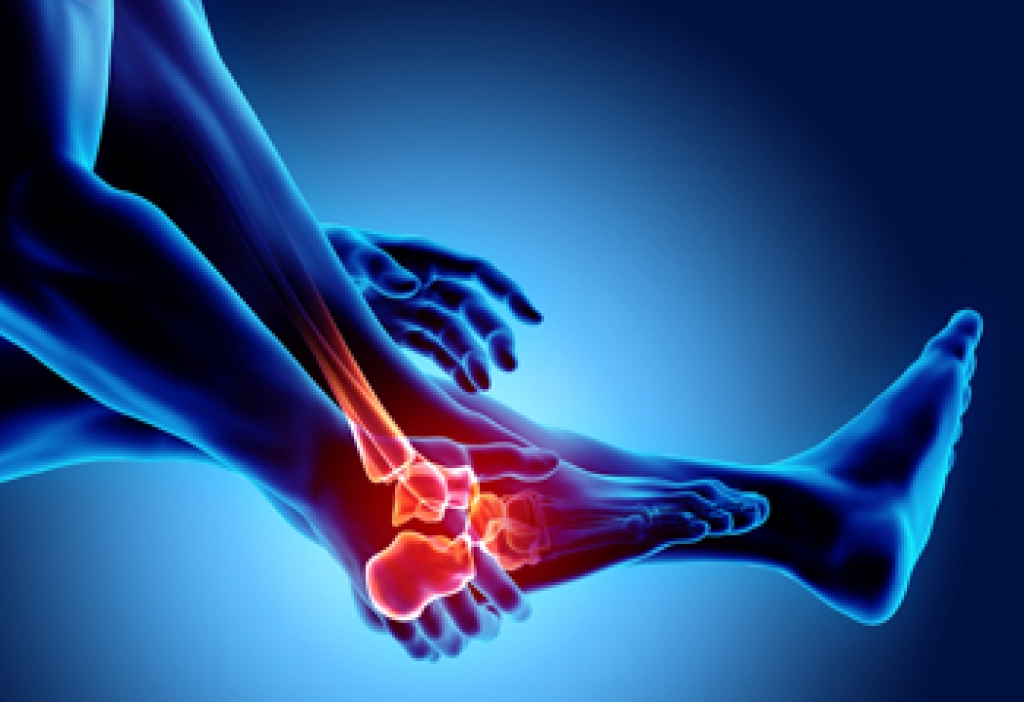
What Numbness and Tingling May Indicate

Numbness and tingling are sensations that may signal underlying nerve or circulation issues. Peripheral neuropathy is a condition involving damage to the nerves, often leading to burning, weakness, or loss of sensation. Carpal tunnel syndrome occurs when the median nerve is compressed at the wrist, causing tingling, numbness, and discomfort in the hand. Additionally, anxiety can also trigger these sensations as the body responds to stress with changes in breathing and muscle tension. Risk factors include repetitive motion, medical conditions, or prolonged stress. Symptoms can vary from mild tingling to persistent numbness and weakness. A chiropractor can help by improving alignment and reducing nerve pressure. If you have numbness and tingling, it is suggested that you consult a chiropractor who can determine the cause and offer appropriate relief and management solutions. 

Numbness and Tingling 

Numbness and tingling sensations can disrupt daily life, often arising from issues like nerve compression, poor circulation, or structural imbalances. These symptoms, commonly felt in the hands, feet, arms, or legs, range from mild pins and needles to persistent discomfort. Conditions such as herniated discs, carpal tunnel syndrome, or peripheral neuropathy are frequent causes, often linked to irritated or restricted nerve pathways. Left untreated, these sensations may worsen, leading to reduced mobility or further nerve damage.
Chiropractic care addresses numbness and tingling by focusing on the root causes. A chiropractor evaluates spinal alignment, nerve function, and contributing factors like posture or muscle tension. Through targeted adjustments and therapies, they relieve nerve compression, improve circulation, and restore function. Lifestyle recommendations complement treatment, offering long-term relief and promoting nerve health.
1. Are numbness and tingling always nerve-related?
Not always. While often linked to nerve compression, these sensations can also result from poor circulation or systemic conditions. Chiropractors assess for nerve involvement and recommend appropriate care or referrals.
2. Can numbness and tingling affect only one side of the body?
Yes, these symptoms can be unilateral, often indicating localized nerve compression or structural imbalances, which chiropractors can identify and treat.
For additional information, please contact our office located in Contact Us


Read more about Numbness and Tingling

Workplace Injuries and How to Recover Safely

Workplace injuries can occur in many environments and often result from preventable hazards. Common causes include overexertion from lifting or repetitive tasks, falls on the same level due to slippery surfaces, and falls from a ladder or roof in more physically demanding jobs. Employees may also be struck by an object or equipment, leading to pain, stiffness, or reduced mobility. These injuries can affect the spine, joints, and muscles, making daily tasks difficult. A chiropractor can help by assessing the injury, improving alignment, and supporting natural healing through targeted care. Early attention can reduce discomfort and prevent long-term complications. If you have been injured at work, it is suggested that you consult a chiropractor who can offer appropriate relief solutions.

Work-related and personal injuries can significantly impact daily life, causing pain, reduced mobility, and prolonged recovery times. These injuries often result from repetitive movements, poor ergonomics, sudden accidents, or overexertion. Common issues include back and neck pain, joint sprains, muscle strains, and nerve compression, which can interfere with both professional and personal activities.

Chiropractic care provides an effective, non-invasive approach to managing and recovering from these injuries. Chiropractors focus on addressing the root causes of pain and dysfunction, such as misalignments in the spine or joint imbalances. Through targeted adjustments, they help restore proper alignment, improve mobility, and reduce inflammation. Additional therapies, like soft tissue techniques and personalized exercise plans, are often included to support healing. By emphasizing overall structural balance, chiropractic care not only alleviates symptoms but also promotes long-term health and injury prevention.

1. Why do minor personal injuries sometimes lead to chronic pain?

Untreated injuries can result in compensatory movements, scar tissue, and lingering inflammation, which contribute to chronic pain. Chiropractic adjustments can address underlying misalignments and help prevent minor injuries from becoming long-term issues.

2. Why does my injury feel worse after physical activity?
Weakness in supporting muscles or incomplete healing can cause an injury to flare up with physical activity. Chiropractors can provide tailored exercises and adjustments to strengthen supporting structures and reduce strain.

For additional information, please contact our office located in Contact Us
 

Read more about Work-Related and Personal Injuries

Playing Pickleball With Rheumatoid Arthritis

Rheumatoid arthritis is a chronic inflammatory condition that affects the joints, causing pain, swelling, stiffness, and fatigue. These symptoms can make activities like pickleball more challenging, especially during flare ups. However, with proper preparation and mindful play, many individuals can remain active. Gentle warm ups, wearing supportive footwear, controlled movements, and adequate rest between games help reduce joint stress. Listening to the body and avoiding overexertion are essential for managing symptoms. A chiropractor can assess joint alignment, improve mobility, and provide soft tissue therapy to reduce tension and support overall function. By promoting better biomechanics, chiropractic care may help decrease strain during play. If joint pain limits your activity, it is suggested that you schedule a chiropractic consultation for appropriate relief solutions.

Arthritis Relief

Arthritis, a common condition affecting millions, causes inflammation, stiffness, and pain in the joints. It can make everyday activities challenging and significantly impact quality of life. While there is no cure for arthritis, chiropractic care offers a natural, non-invasive way to manage symptoms and improve joint function.

Chiropractors focus on enhancing joint mobility and reducing inflammation through gentle, targeted adjustments. By realigning the body and restoring proper movement, chiropractic care can help relieve the pressure on arthritic joints, alleviating pain and stiffness. Adjustments also support better circulation, which may help reduce inflammation around affected joints.

In addition to adjustments, chiropractors often recommend specific exercises and stretches to strengthen muscles surrounding the joints, improving stability and reducing stress on the joints over time. They may also advise on lifestyle adjustments, such as dietary changes or ergonomic modifications, to support overall joint health.

Why Consider Chiropractic for Arthritis?

Chiropractic care provides a holistic approach to managing arthritis, addressing not just the symptoms but also underlying issues that contribute to discomfort. With regular care, many arthritis patients experience improved mobility, reduced pain, and a higher quality of life. Chiropractic care can be an effective complement to other arthritis treatments, supporting a more active, comfortable lifestyle.

What Types of Arthritis Can Benefit from Chiropractic Care?

Chiropractic care can benefit both osteoarthritis and rheumatoid arthritis by focusing on reducing joint strain and promoting better movement.

If you have any questions, please feel free to contact our office located in Contact Us

Read more about Arthritis

Treatment for Muscle Spasms

Muscle spasms happen when a muscle or group of muscles contracts suddenly and cannot relax, which can cause pain and tightness. Common causes include overuse, poor posture, stress on the muscles, dehydration, or underlying spinal misalignment. Symptoms include sudden sharp pain, a hard or tight feeling in the muscle, limited range of motion, and discomfort that worsens with movement or activity. Muscle spasms can make daily tasks like bending, lifting, or walking more difficult. A chiropractor can help by evaluating spinal alignment, identifying areas of tension, and providing treatment that reduces stress on the muscles and improves motion. This type of care can ease pain, relax tight muscles, and help the body move more smoothly. If you are experiencing any of the mentioned symptoms, it is suggested that you schedule an appointment with a chiropractor to discuss appropriate relief options. 

Muscle Spasms

Muscle spasms, or involuntary muscle contractions, can cause sudden pain and tightness, often disrupting daily activities and causing significant discomfort. Spasms are typically triggered by muscle strain, dehydration, poor circulation, or nerve irritation and can occur in any muscle, although they are most common in the neck, back, and legs.

Chiropractic care for muscle spasms aims to relieve muscle tension, improve circulation, and restore the body’s natural balance. By performing gentle adjustments to the spine or other affected areas, chiropractors work to realign the body and reduce nerve interference that may be contributing to the spasms. This approach can help relieve the pressure on muscles, encouraging them to relax and reducing the frequency and intensity of future spasms.

In addition to adjustments, chiropractic care may include stretching exercises, massage, and lifestyle recommendations to prevent recurrence. These exercises are designed to strengthen and support the muscles, improving flexibility and reducing muscle strain.

Chiropractic care offers a holistic, drug-free approach to managing muscle spasms, emphasizing long-term relief and muscle health. By addressing both the immediate symptoms and underlying causes, chiropractic treatment helps people find lasting relief, promoting muscle relaxation and supporting overall well-being.

Will the treatment cause additional pain or discomfort?

 Patients sometimes worry that chiropractic adjustments or muscle manipulation will aggravate their spasms. Chiropractors emphasize that treatments are generally gentle and designed to alleviate discomfort without causing additional pain.


Will I feel immediate relief after each adjustment, or does it build over time?

While some patients feel immediate relief after a session, long-term improvement usually develops gradually with consistent treatment. Muscle tension and spasms often respond best to cumulative care over several sessions.

If you have any questions please feel free to contact our office located in Contact Us

Read more about Muscle Spasms

Blog Archives

scroll to top