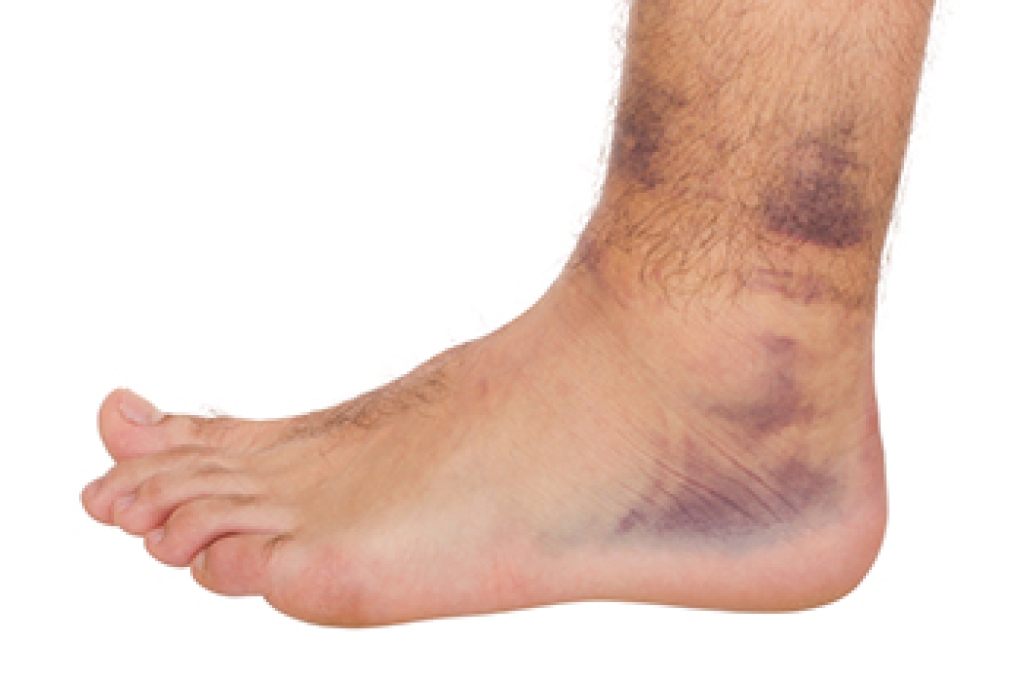
Sprains and strains can happen after a sudden twist, an awkward step, or a forceful movement during sports or everyday activities. Although the names sound similar, they affect different parts of the body. A sprain injures a ligament, which is a strong band of tissue that connects bones at a joint. A strain affects a muscle or tendon, which connects muscle to bone. Both injuries can range from mild stretching to a complete tear. Symptoms include pain, swelling, bruising, and trouble moving the injured area. Severe sprains sometimes feel similar to a broken bone, making a prompt examination important for proper diagnosis.
Sprains most often affect the ankle, wrist, or knee after a joint moves beyond its normal range. Strains usually develop when a muscle stretches too far or contracts with too much force. Hamstring injuries are a common example. The severity of either injury influences healing time. Mild injuries usually improve more quickly, while severe tears can take much longer to heal and may require surgery. A chiropractor evaluates how the injury affects movement, joint function, and surrounding muscles. Chiropractic care includes careful assessment and gentle joint techniques when appropriate. Personalized exercises that support flexibility, strength, and healthy movement during recovery may be included.
Preventing sprains and strains starts with preparing the body before physical activity. A proper warm-up, gradual increases in activity, and shoes that provide proper support help reduce injury risk. Good balance, muscle strength, and safe movement patterns also protect joints and muscles from unnecessary stress. Regular chiropractic visits can identify movement problems that place extra strain on the body and improve joint function to lower the chance of future injuries. If you have symptoms of sprains and strains, it is suggested that you schedule an appointment with a chiropractor for diagnosis and treatment.
Strains and sprains are common injuries that can affect people of all ages and activity levels. A strain involves the stretching or tearing of a muscle or tendon, while a sprain occurs when ligaments, the tissues connecting bones, are overstretched or torn. These injuries often result from sudden movements, falls, or overuse during physical activity. Symptoms include pain, swelling, bruising, and limited mobility in the affected area.
Mild strains and sprains can typically be managed with rest and compression. However, more severe cases may require attention to ensure proper healing and prevent long-term issues.
Chiropractic care provides a valuable addition to the healing process for strains and sprains. Chiropractors address not only the immediate injury but also any misalignments or imbalances caused by it. Through precise adjustments, they can help reduce tension in the surrounding joints and tissues, alleviating pain and improving mobility. Soft tissue therapies and personalized exercise plans further enhance recovery by strengthening the injured area and supporting proper alignment.
1. What’s the difference between a sprain and a strain?
A sprain involves stretched or torn ligaments, while a strain affects muscles or tendons. Chiropractors address both by focusing on the affected area and supporting healing.
2. Can chiropractic care help sprains or strains in areas other than the back?
Yes, chiropractors treat sprains and strains in joints like the ankle, knee, or wrist, using techniques to reduce inflammation and improve mobility.
For additional information, please contact our office located in Contact Us .
